
Always, Everywhere
The same shape twice
Ten pairs from nature, engraved to match
Roots and lungs. A neuron and the cosmic web. A river delta and a lightning strike. Ten pairs of engravings with a slider between each, and under every pair the reason the match is not an accident, or the admission that it is.

Ten pairs. Each one is two engravings and a slider; drag it, or let it drift, and one becomes the other. Under each pair is why the match is not an accident, and, where it is an accident, that too.
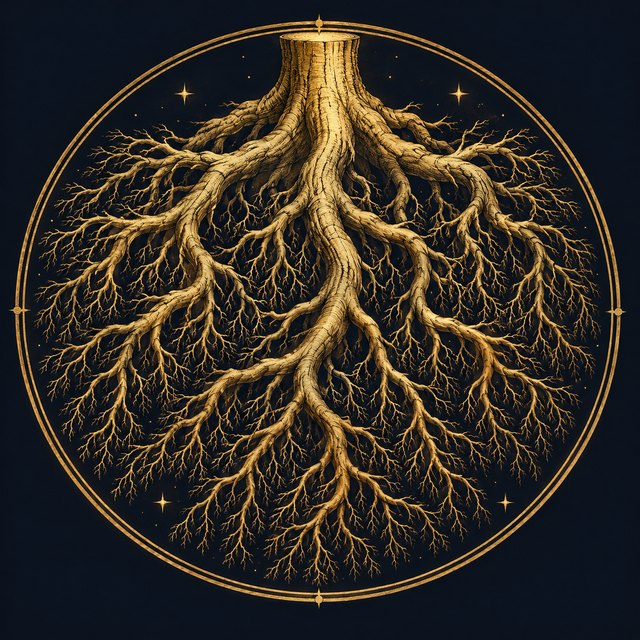

Both solve one problem: get something from one pipe to a whole volume with the least pipe. The branching rule, Murray's law, fits both, and turning one over gives you the other.
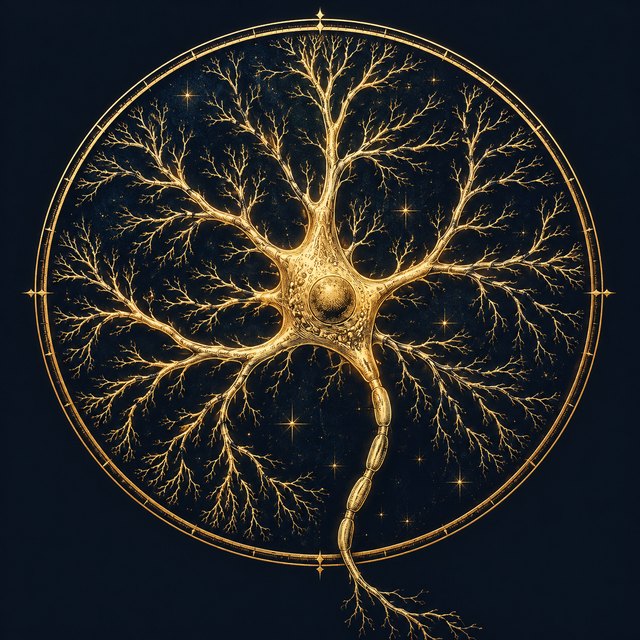
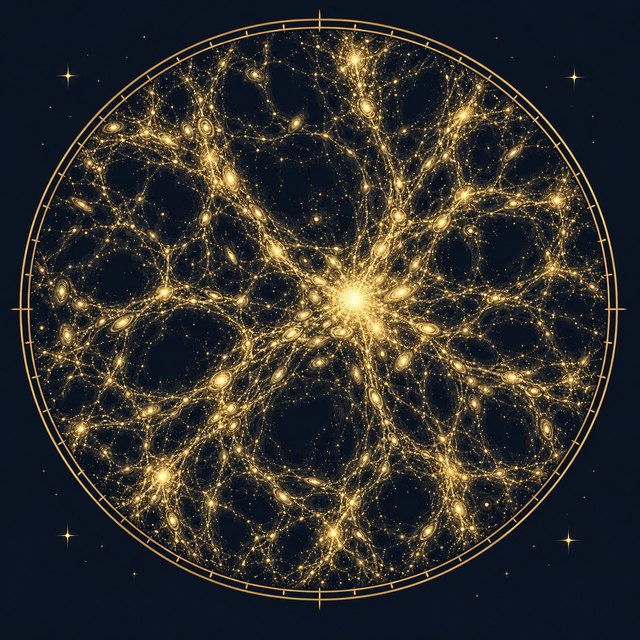
In 2020 an astrophysicist and a neurosurgeon ran the same statistics on a slice of cerebellum and a map of the galaxies and could barely tell them apart.
Same architecture, not same cause: networks that grow to connect under a cost end up alike.
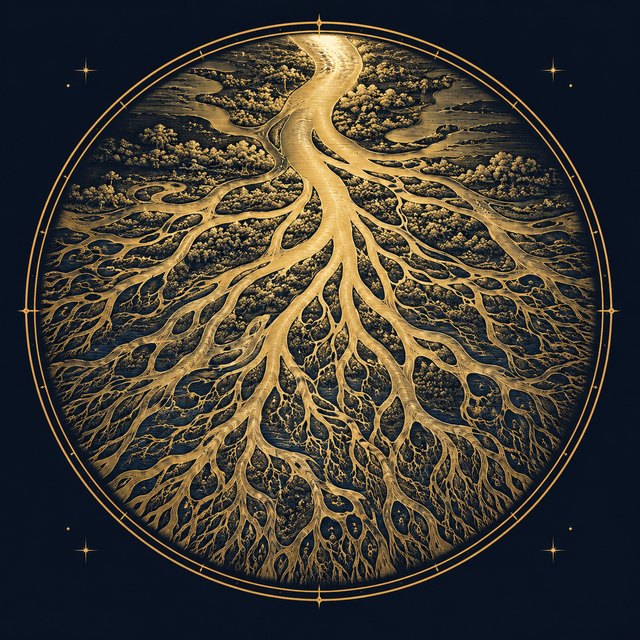
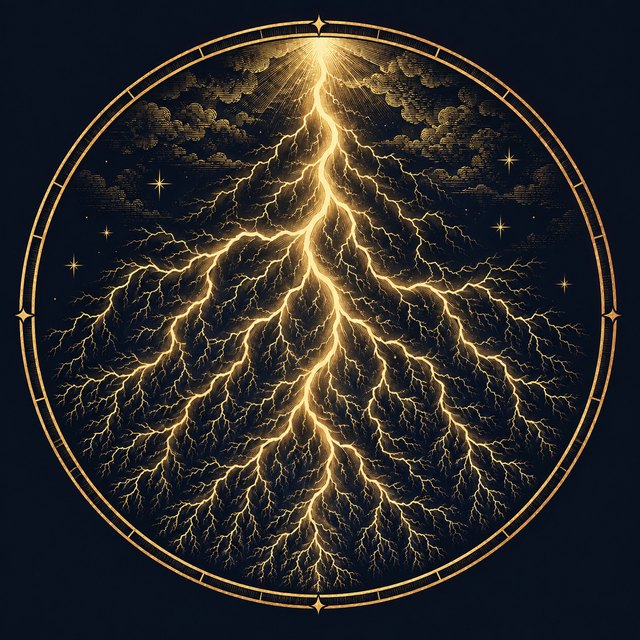
One channel splitting into hundreds, in ten thousand years or in a thousandth of a second. The river is hunting for the sea and the leader is hunting for the ground.
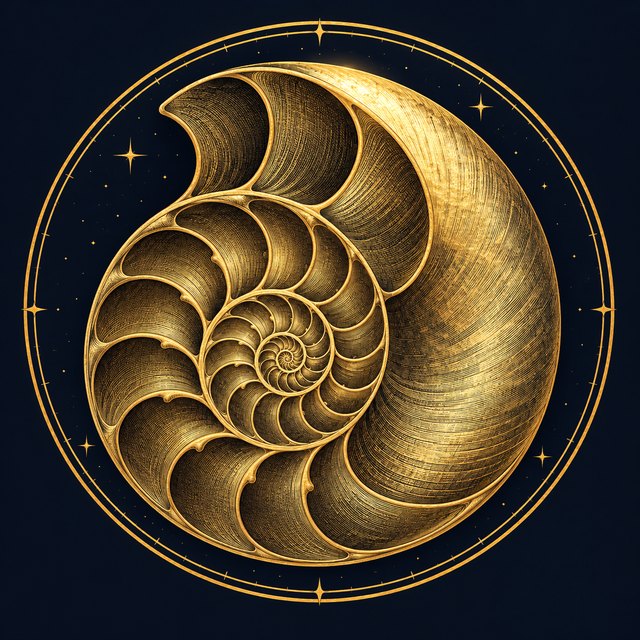
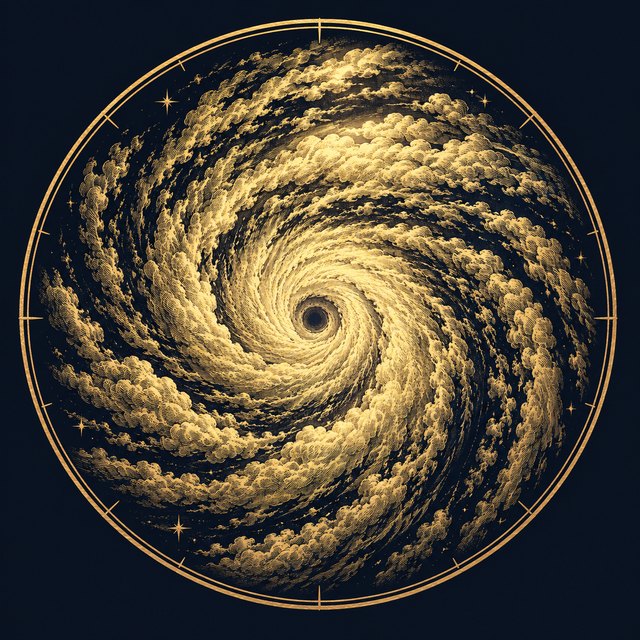
Both are logarithmic spirals: the shape grows but never changes its proportions, so the center and the rim are the same curve at different sizes.
The nautilus is not a golden spiral, whatever the poster says. Its ratio is its own.
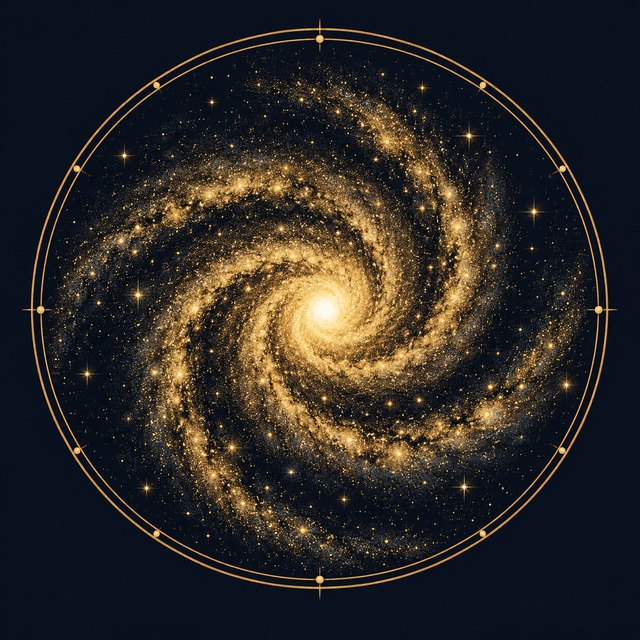
The same spiral for the same reason: the inside turns faster than the outside, and anything strung across it winds up.
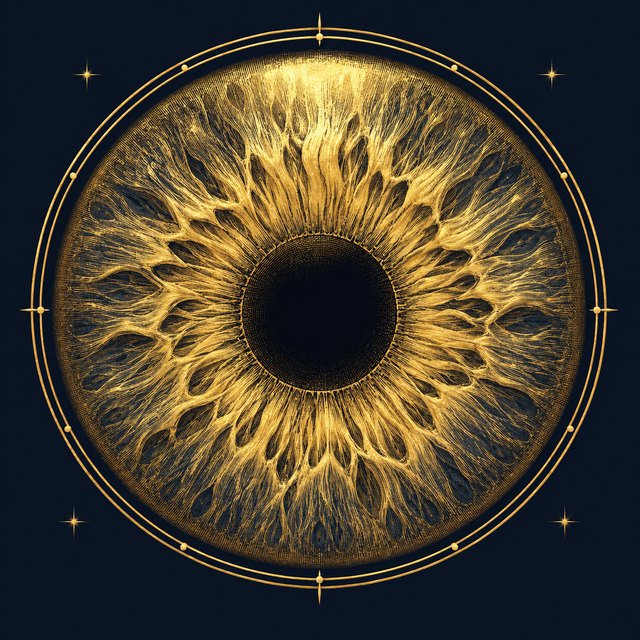
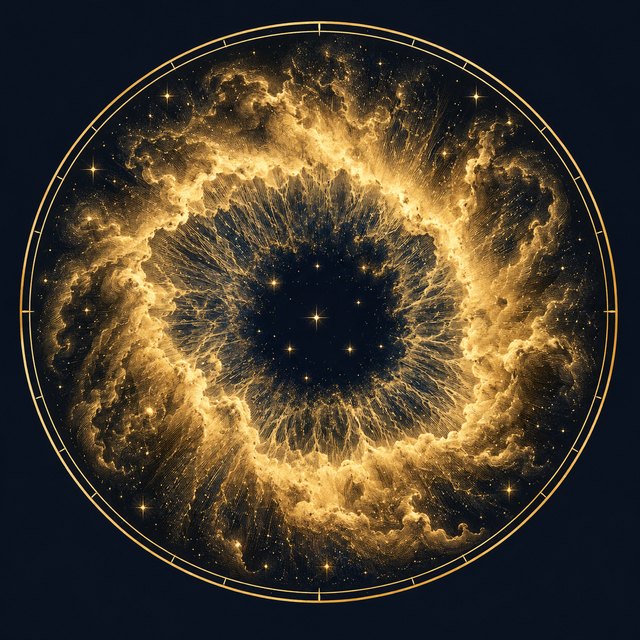
A dying star's shell of gas seen down its axis, and the muscle around a pupil. This one is a coincidence, and a good one.
They share a shape because both are rings seen face on. Nothing else connects them.
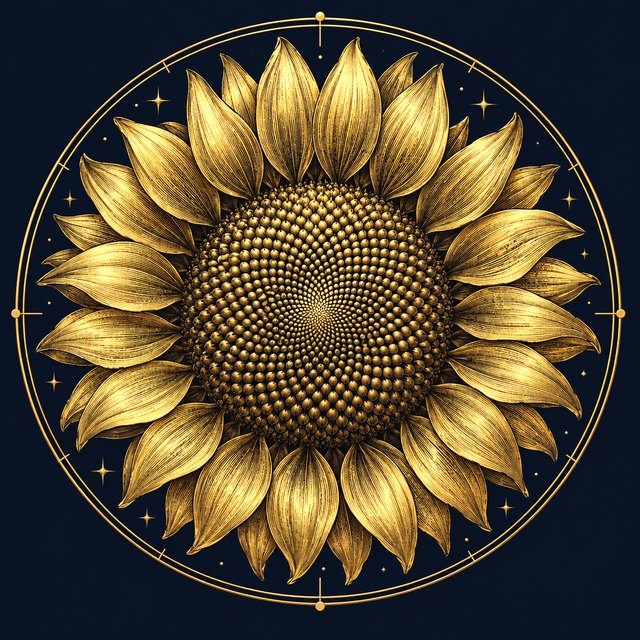
Two spirals from unrelated causes: the sunflower from one angle repeated six hundred times, the galaxy from rotation that is faster inside than out.
The golden rectangle people draw over the galaxy is drawn afterward.
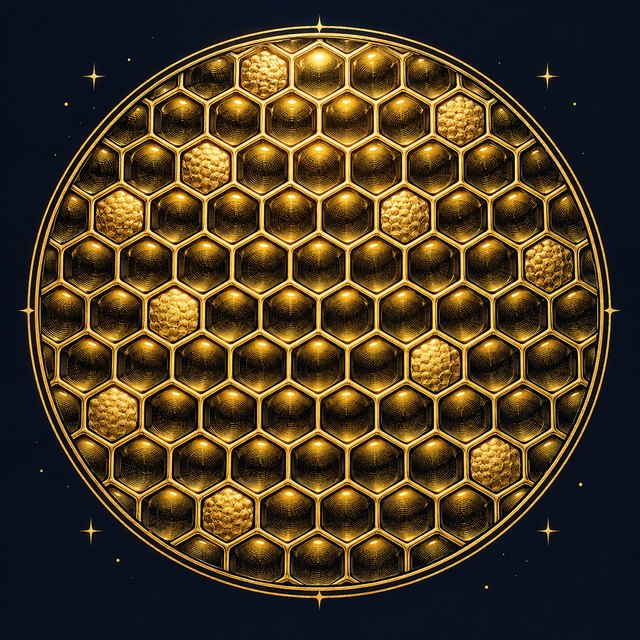
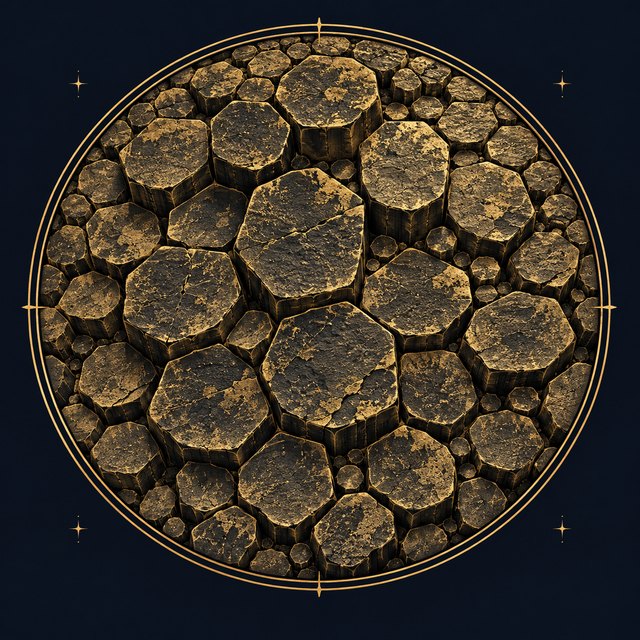
Equal cells pressed together settle into hexagons, whether the cells are wax or a sheet of cooling lava cracking as it shrinks. The Giant's Causeway is a honeycomb in stone.
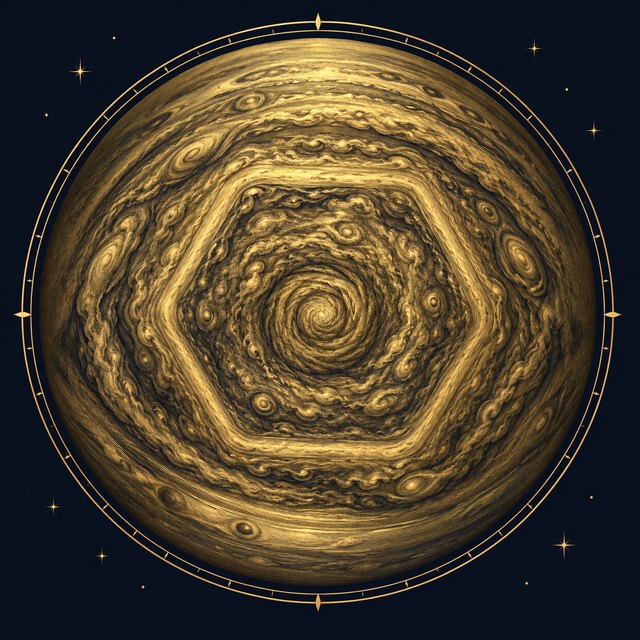
The hexagon at Saturn's pole is wider than two Earths and has been there since at least 1981. It is a standing wave in a jet stream, not a cell, which makes the match stranger, not weaker.
Six is what you get when equal things crowd a circle. The crowding here is wind.
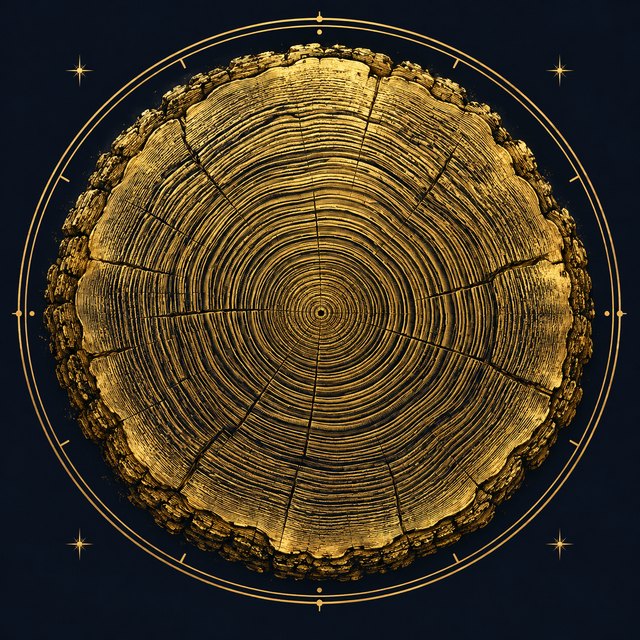
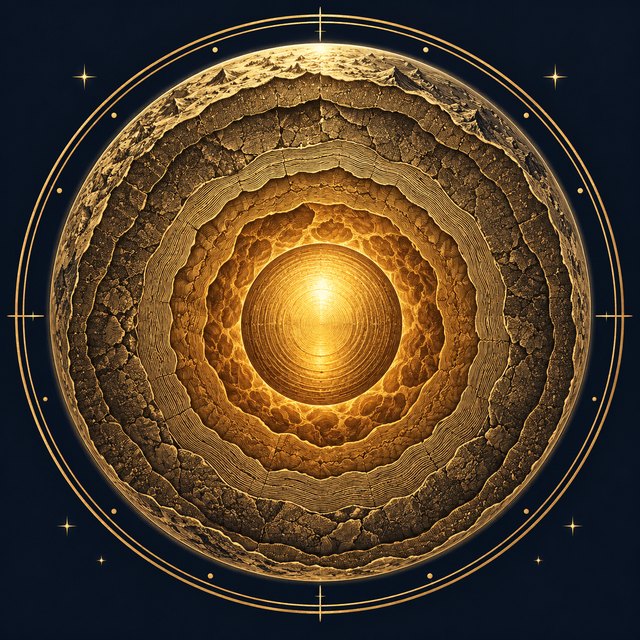
Both are records of growth from the center outward. The tree adds a ring every year; the planet sorted itself by weight once, iron to the middle, rock on top.
The resemblance is in the drawing, not the cause. One is a calendar and the other is a settling.
What the pairs are saying
Three of these pairs share a rule: branching under a cost gives you lungs, roots, rivers, lightning and the cosmic web. Two share a shape with different causes: a logarithmic spiral is what you get from growth that keeps its proportions, and from rotation that is faster inside than out, and the nautilus, the hurricane and the galaxy are three different roads to it. Two are what equal things pressed together do, in wax, in rock, or in wind. And two are coincidences, included on purpose, because a shelf that only showed the matches that mean something would be selling you something.
The claim of this shelf is not that everything is secretly one thing. It is smaller and harder to argue with: the universe has a short list of shapes, because it has a short list of problems, and it is not shy about repeating itself.